Presence. Attunement.
Deep Connection to Self.
A space to meet yourself.
Return to your body, mind, and energy through sound, stillness, and reflection.
Guided by Tiffany Nelson
Yin yoga, immersive sound, and nervous system awareness — creating space for the body to slow down and return to itself.
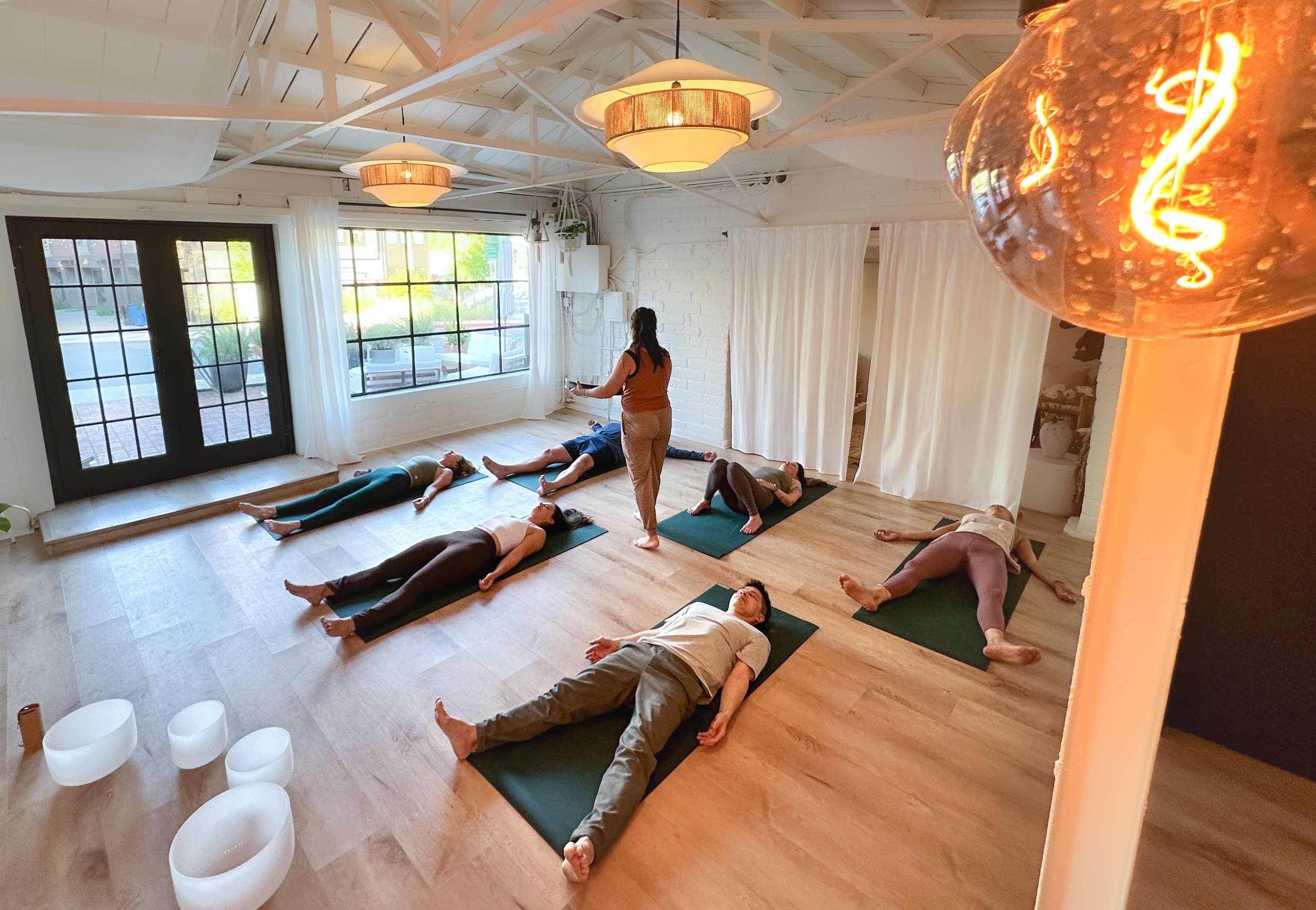
Community Class
A quiet, intentional group practice weaving long-held yin postures with immersive sound. Open to all. Drop-in welcome.
Currently on pause. Stay tuned for updates on new location!
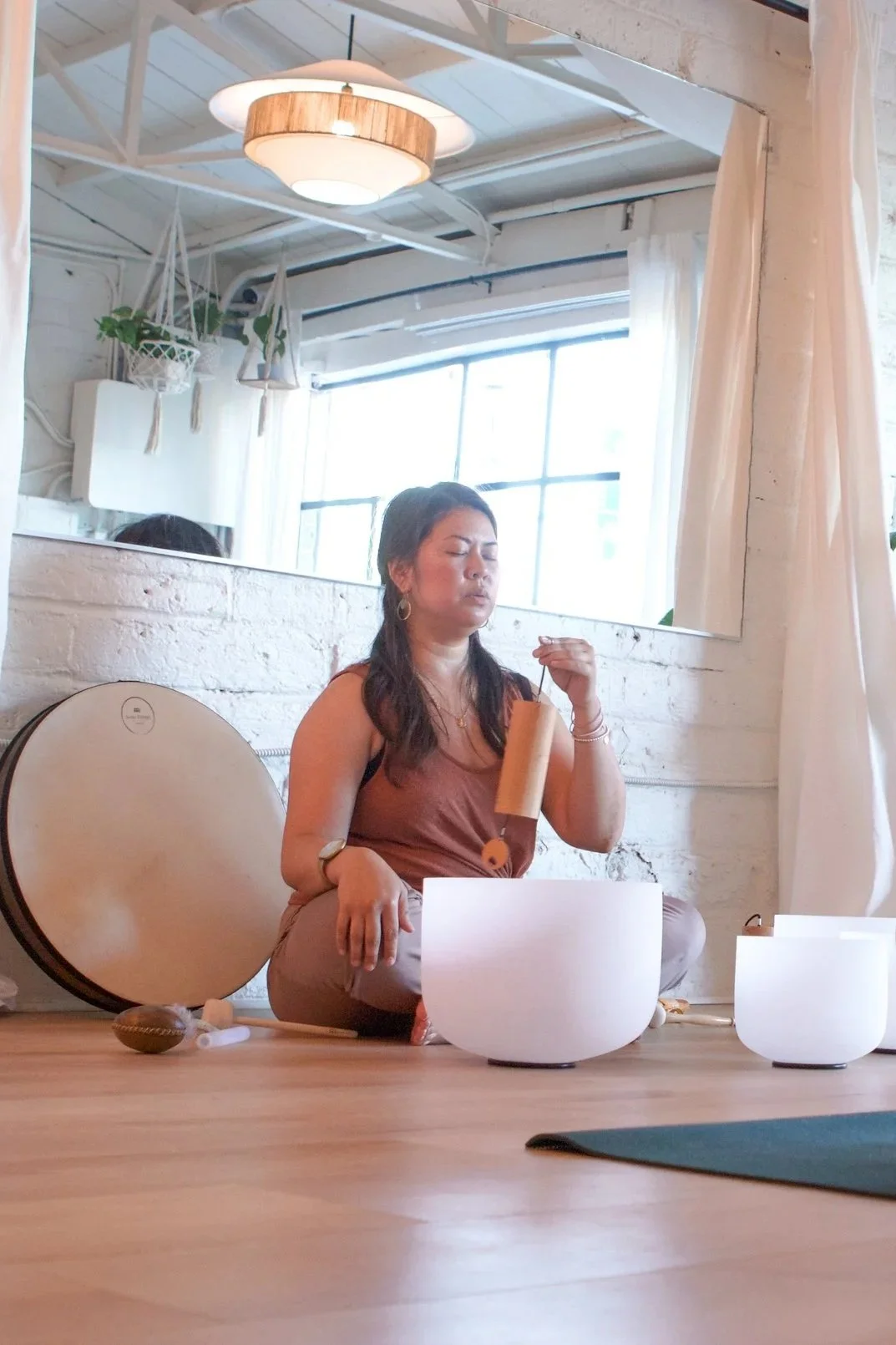
Private Sessions
Personalized sound experiences - tailored to where you are and what your body needs. From a single session to an ongoing practice.
From $250
Photo Courtesy of Yoga Village Cafe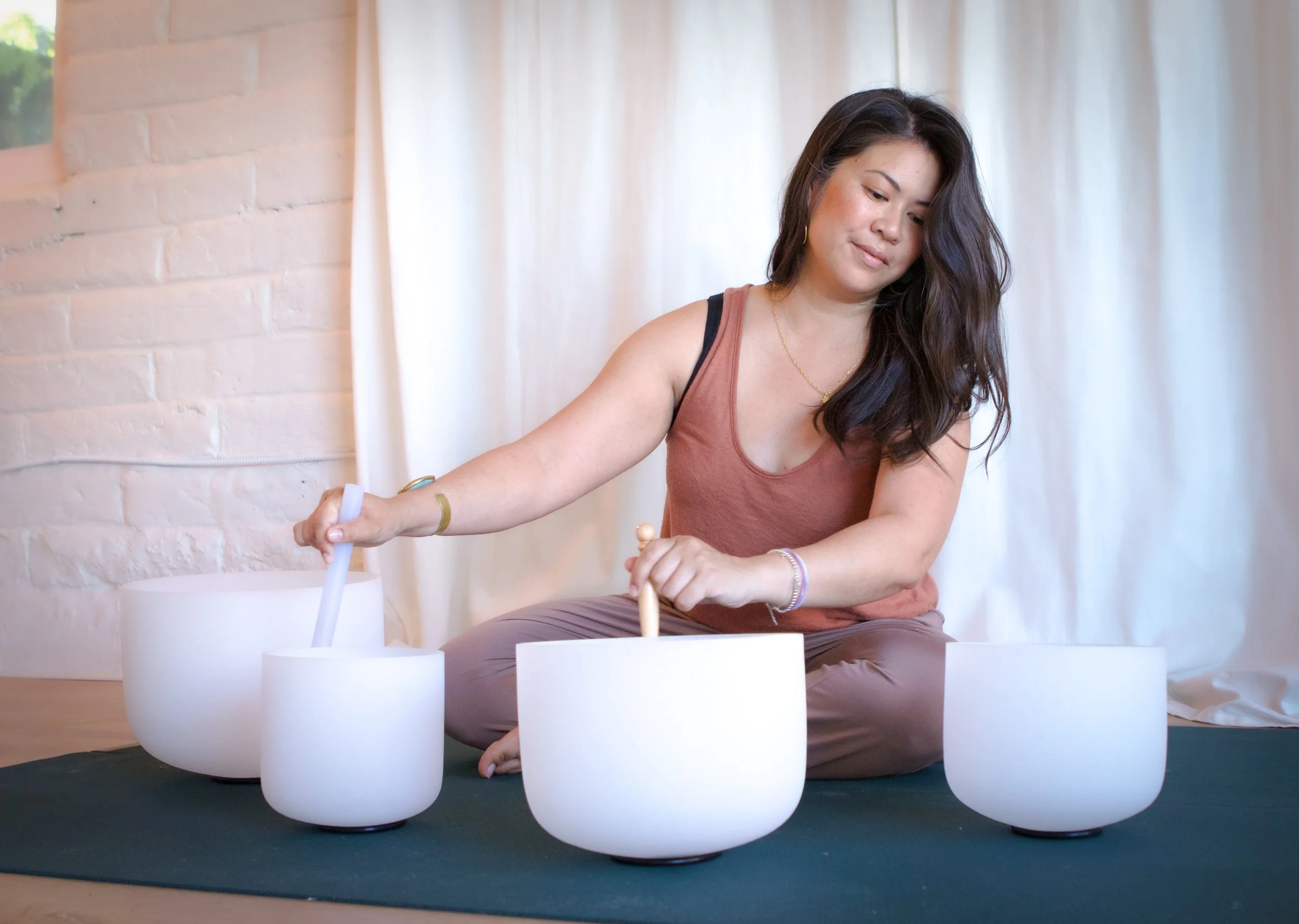
Tiffany Nelson is a trauma-informed somatic guide and sound practitioner based in the East Bay. Her work creates space for the body to do what it already knows how to do — when given time, stillness, and permission.
Tiffany Nelson
photo COURTESY OF yoga village cafeHave Something To Share?
We’d love to hear about your experience.
Q&A
Common Questions About Yin, Sound, and Slowing Down
-
Slower practices give the nervous system an opportunity to shift out of a constant state of activity and into a state of restoration. When the body has time and space to slow down, breath deepens, muscles release unnecessary tension, and the mind often becomes quieter. This is why many people leave these practices feeling more calm and clear.
-
Even when we appear still, the body is constantly responding. In yin yoga, time, gravity, and gentle stress on the tissues allow the body to slowly adapt. Muscles soften, fascia responds, and joints can find a little more space. The changes are subtle, but they can have a meaningful impact over time.
-
Holding poses longer allows the body to move past the initial muscular engagement and into deeper layers of connective tissue. The goal isn’t to push deeper into a stretch but to allow the body time to respond naturally. Patience is what creates the change.
-
The body is largely made of fluid, which makes it naturally responsive to sound. During a session, many people experience gentle waves of sensation, warmth, or a quiet settling in the nervous system.
-
That’s completely normal. The mind doesn’t always quiet right away when the body slows down.
Meditation and slower practices aren’t really about erasing thoughts. The practice is simply noticing what is true in the moment. Sometimes that means a calm mind, and sometimes it means a busy one.
A helpful place to start is with acknowledgement. When we recognize what’s happening — “my mind is busy right now” — we stop fighting the experience. Interestingly, that simple act of awareness often begins the process of change.
Over time, many people notice that the mind begins to settle more easily, not because they forced it to be quiet, but because they allowed it to be exactly as it was. -
Listening to the body means paying attention to sensations, breath, and how different environments or movements affect us. Instead of forcing the body into something, we begin to notice what feels supportive and what doesn’t. This awareness helps us build a deeper sense of trust in ourselves.
Reflections
Occasional thoughts on practice, stillness, and listening to the body.

Get in Touch
Questions about creating space for your own deep listening? Let's explore what you're looking for together.